
Recently, I had the opportunity to see Brimstone Pictures’ Contamination at my local cinema. It had been a long time since I last stepped into a movie theatre. Due to my compromised immune system, I limit my time in public spaces, and the COVID-19 pandemic only reinforced that lifestyle. For decades, going to the movies was one of my favourite traditions, experiencing films on the big screen with a crowd. Losing that part of my life wasn’t easy.
Walking into the large Landmark Cinemas multiplex felt like a major personal milestone. Thankfully, the experience was not only manageable but genuinely enjoyable. Here are a few of my personal takeaways.
First, the seating has improved significantly at my local theatre. Before COVID, comfort often came with a premium price. While heated seats still cost extra, most of the standard seats now recline and offer far more comfort than before. It made a noticeable difference.


Watching Contamination on the big screen reminded me why cinemas still matter. A movie in a theatre isn’t just something you casually throw on in the background while scrolling through social media — it’s an experience. For the first time in years, I didn’t reach for my phone during the runtime. The immersive surround sound and crystal-clear visuals pulled me into the story in a way that home viewing simply can’t match.
There’s also something special about sharing a film with an audience. Hearing reactions, feeling the collective tension, and experiencing emotional moments together create a sense of community. Watching movies at home doesn’t offer the same intimacy or connection. I truly missed that shared experience.
Escapism is another powerful reason to return to the cinema. When you’re in a theatre, the outside world fades away. No doorbells are ringing, no pets demanding attention, and no distractions pulling you out of the moment. At home, interruptions are unavoidable. In the cinema, you can fully relax and immerse yourself in the story.
Seeing a film on a massive screen also allows you to experience the director’s full vision. I had previously watched Contamination at home for review purposes, but the theatrical presentation revealed details I hadn’t noticed before — visually and sonically. The audio hits harder, the images feel grander, and the craftsmanship behind the film becomes even more impressive. Cinemas have IMAX screens, although screens can be quite big at home, you can’t get the full IMAX experience.

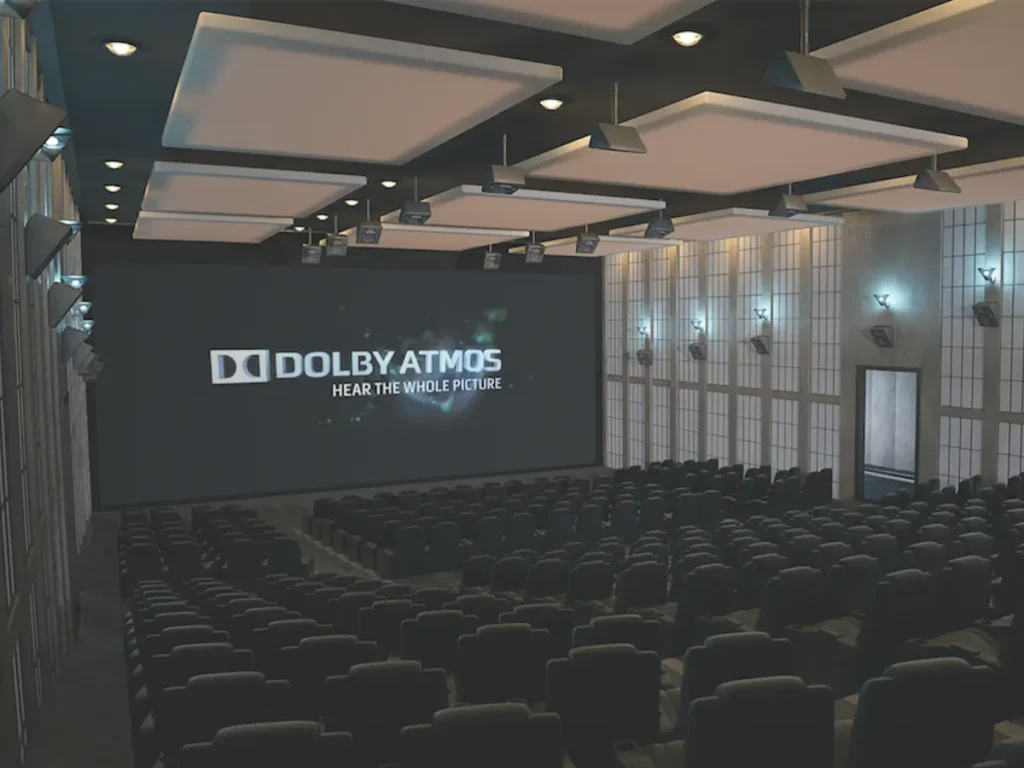
Of course, watching movies at home still has its advantages. The food is better, and the ability to pause can be convenient. But that same pause button can also lead to unfinished films and lost momentum. At the cinema, you commit to the full experience.
For those with health concerns or budget limitations, home viewing remains an important option. Movie tickets, snacks, and travel can add up. Thankfully, many theatres offer rewards programs and discounted screenings. Early-day showtimes also provide a quieter, less crowded environment for those who need it.
In the end, I now realize what I’ve been missing. The pros of the theatrical experience far outweigh the cons, and I plan to see many more films in cinemas moving forward.
I also reached out to Shane MacDonald, owner of EyeCrave.Net, for his thoughts on the subject. Here’s what he had to say:
The window between theatrical release and home viewing has quietly collapsed — and in the process, something vital is being lost. Growing up in the late ’80s and early ’90s, a movie’s journey from theatres to VHS could take more than a year. DVD shortened that wait. Streaming then erased it almost entirely. Today, some films arrive at home the same day they hit cinemas, a shift that may feel convenient but has fundamentally changed how audiences experience movies — and not for the better.
For casual viewers, the release cycle is confusing. For theatres, it is damaging. And for cinema itself, it risks erasing the very reason people once lined up on Friday nights.
This comes from someone who has spent more than two decades reviewing physical media. I love watching films at home. But there is a difference between watching a movie and experiencing one. Sitting in a packed theatre, surrounded by strangers who are reacting in real time, creates a shared emotional energy no home setup — no matter how advanced — can replicate.
We all remember those moments: the instant Captain America lifts Mjolnir in Avengers: Endgame; the collective gasp when Darth Vader reveals his truth in The Empire Strikes Back; the stunned silence when Neo finally sees the Matrix for what it is. These moments are not just scenes — they are cultural events, amplified by hundreds of people reacting together.
At home, those reveals are quieter. More private. Easier to pause. Easier to scroll away from. And far easier to forget.
In a theatre, they land differently. You feel the tension ripple across the room. You hear the cheers, the laughter, the disbelief. And when the credits roll, you walk out into the lobby with strangers who suddenly feel like fellow fans, discussing favourite moments as if you’ve just shared something important.
That is the magic we are slowly trading away.
Theatres are not just screens. They are gathering places for collective storytelling. And while home viewing has its place — and always will — it should never replace the experience of discovering a great movie in a room full of people who are feeling it with you.
Because movies were never meant to be experienced alone.
These are our experiences, we’d love to hear yours below

